
Bright Earth


Bright Earth
Regular price
Checking stock...
Regular price
Checking stock...
Summary
One of the least studied aspects of the history of art is the artist's tools, especially the colours themselves and how artists have obtained them. Ranging from the ancient Greeks to the present day, it reveals how art is more of a science and science more of an art than might be supposed.
The feel-good place to buy books
- Free delivery in Australia
- Supporting authors with AuthorSHARE
- 100% recyclable packaging
- Proud to be a B Corp – A Business for good
- Buy-back with Ziffit
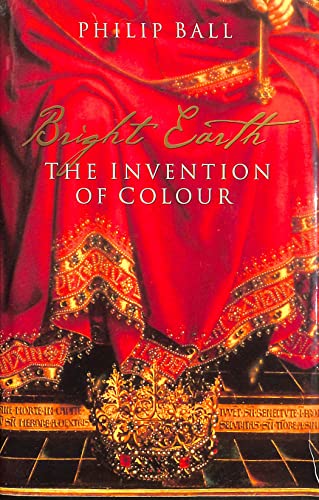
Bright Earth by Philip Ball
No greater tale has remained untold than that of colour. We live in an age where almost every conceivable hue can be chemically manufactured, and is available off the shelf. Yet for thousands of years just a handful of pigments - many lacking in any brilliance, some lethally toxic - were all the artist's palette contained, and the quest to create new colours was at the centre of scientific and artistic endeavour. "Bright Earth" tells the extraordinary story of this quest. It provides a lucid, gripping explanation of exactly how - through a mixture of primitive chemistry and luck -the ancient alchemists of colour were able to expand the artist's rainbow. Their sources were varied, and sometimes unlikely. Two of history's most prized colours - Tyrian purple and crimson - were derived, respectively, from a shellfish and a beetle. The search for new colour was fraught with mishaps and hazards, where the value of a particular shade of yellow had to be weighed against the potential for traces on your fingertips to kill you at your dinner table, and where an orange as glorious as distilled sunlight might fade to muddy brown by the next year. Yet the demand for bright and innovative colour drove the search ever forward. From the austere palette of the Ancient Greeks to the Romans' expensive passion for purple; through the glorious profusion of Renaissance art to the restrained pigments of Rembrandt and Velazquez; and from the Romantic painters' early forays into direct collaboration with chemists to the erratic and sometimes spectacular marriage of art and science in the 20th century, "Bright Earth" is the fascinating, beautifully illustrated story of the magic behind the canvas.
Philip Ball is a regular contributor to Nature, New Scientist, and various national and international newspapers. His previous books include DESIGNING THE MOLECULAR WORLD (which won the Association of American Publishers' Award), THE SELF-MADE TAPESTRY and H2O: A BIOGRAPHY OF WATER.
| SKU | Unavailable |
| ISBN 13 | 9780670893461 |
| ISBN 10 | 0670893463 |
| Title | Bright Earth |
| Author | Philip Ball |
| Condition | Unavailable |
| Binding Type | Hardback |
| Publisher | Penguin Books Ltd |
| Year published | 2001-11-01 |
| Number of pages | 448 |
| Cover note | Book picture is for illustrative purposes only, actual binding, cover or edition may vary. |
| Note | Unavailable |